Flue Gas Desulfurization
The removal of sulfurous compounds from the waste byproduct that emanates from combustion plants.
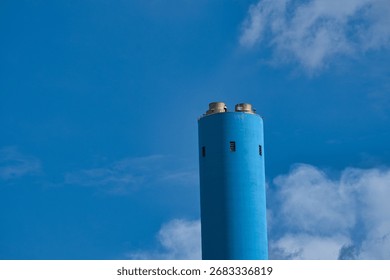
Much sulfur dioxide is produced in processing fossil fuels such as crude oil. Sulfur dioxide is an irritant which can cause asthma and chronic bronchitis in affected individuals. This is one of the various hazardous flue gasses as a byproduct of fossil fuel processing, refining, or combustion. The flue gas is run through a separate pipeline into a scrubber tank. One method of desulfurization, wet flue gas desulfurization, involves showering a compressed mixture of lime slurry through sprinklers. The lime chemically reacts with the sulfur, creating calcium sulfite. The calcium sulfite precipitates, falling to the bottom of the tank and leaving only oxygen gas to rise through a pipe near the top of the scrubber.
Coal-fired power plants run by generating steam from the thermal energy of burning coal. The byproduct of burning coal is sulfur dioxide, which additionally contributes to the continuously increasing heat of Earth’s atmosphere. Besides wet flue gas desulfurization, there is also dry injection and dry spraying. Hydrated lime is injected into the flue duct in dry injection. In dry spraying, lime slurry is atomized and sprayed into a separate vessel that the flue gas is piped to.
View our Products
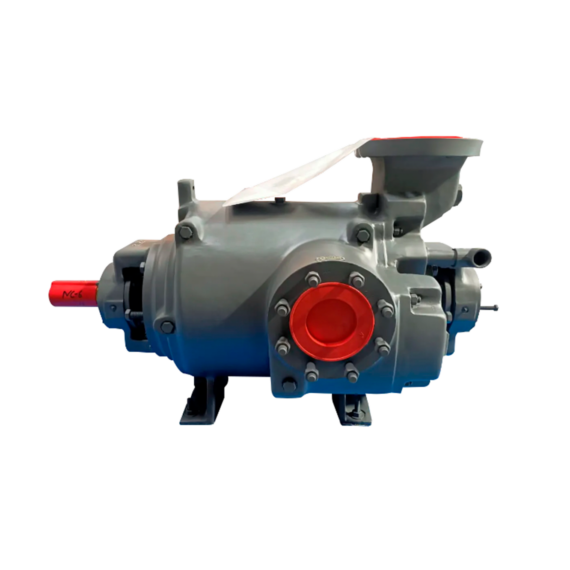
Moist sulfur dioxide within the flue gas reacts and creates sulfuric acid, which is very corrosive. To properly scrub all of the sulfur dioxide, the scrubber and vacuum pump must be corrosion-resistant to preserve the life of the desulfurization system and maintain satisfactory performance. Whether it be for flue gas conveying into the scrubber, compressing the lime slurry, suctioning the clean oxygen gas out, or pumping the calcium sulfate out, the liquid ring vacuum pump is capable of corrosion resistance through liquid ring barrier and stainless steel MOC, constant deep suction, and high tolerance of liquid or slurry carryover. The NC Series is built standard in cast iron with optional Stainless Steel 304 or 316 construction and is robust, sustaining a long service life.