Fogging and Humidifying
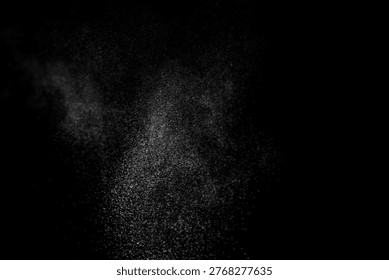
The process of spraying fine mist into an area to yield a specific intended effect, such as deodorizing or sanitizing.
Ultra Low Volume fogging is a technique used for applying pesticides, disinfectants, or other chemical agents in a very fine mist. This method is effective for pest control, sanitation, and disease vector management, particularly in large areas. Liquid is typically stored in a tank or reservoir, pumped to the fogging mechanism through a tube. The system creates pressure that forces the liquid through the atomization nozzle. These nozzles use either high pressure or high-velocity air; as the liquid exits the nozzle, it is forced through either a narrow orifice or through a high-speed airstream. The fine mist is then propelled into the air by the airflow with the capability to travel over large distances, allowing for even distribution and into areas that might be hard to reach. The small droplet size allows the particles to remain suspended in the air longer so that they have a higher chance of settling on target surfaces or being inhaled by pests. Using a ULV fogger yields finer mist, reduced chemical use, and quick action over large areas.
Adding a controlled humidity via mist to large industrial storage rooms of tobacco leaves allows for proper moisture content within the leaf without wetting the leaves to the point of blackening or rotting. Without maintaining moisture content, the leaves dry quickly, becoming brittle and losing its characteristic flavors and aromas.
View our Products
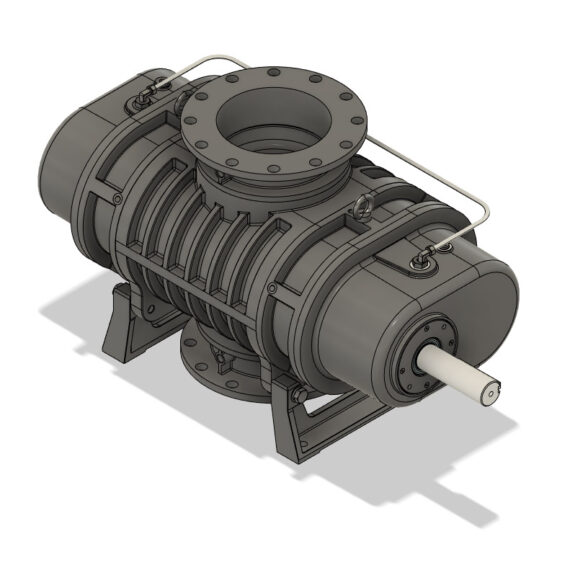
Skid-mounted Roots-type blower industrial pesticide fog generators, aerosol generators, and sprayers are popular for their reliability, efficiency, and lower noise levels. The NRB Series Roots-type blowers have a double oil tank for consistent safe lubrication and a five-point bearing design for stability and extended service life. NES Company Inc. is proud to offer these sturdy blowers with a one-year warranty against manufacturing defects.