Wind Tunnel
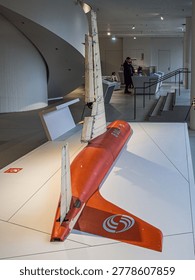
An enclosed chamber used to study the effects of air movement on solid objects, particularly aircraft and aerospace components.
Wind tunnels are research apparatus used by aerospace engineers and researchers to evaluate the aerodynamic performance of vehicles, structures, and components under controlled airflow conditions. By regulating the pressure inside the tunnel, engineers are able to recreate the atmospheric conditions encountered at high altitudes during flight. Vacuum pumps are used to evacuate the test section to simulate low-density, high-altitude environments where aircraft and spacecraft operate. Controlling the chamber pressure also allows for sub-scale testing where Mach and Reynolds number similarity must be maintained against full-scale operating conditions.
View our Products
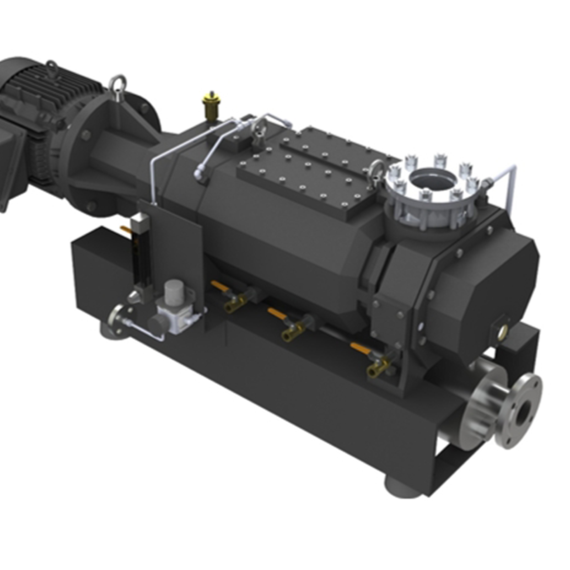
Wind tunnel evacuation requires deep vacuum at high pumping speeds. The NSP Series dry screw vacuum pump achieves up to 7.5×10^(-3) Torr with a maximum capacity of 1766 CFM. Without a working fluid, the NSP Series is free from oil contamination, providing a clean test environment for aerodynamic and aerospace research applications.
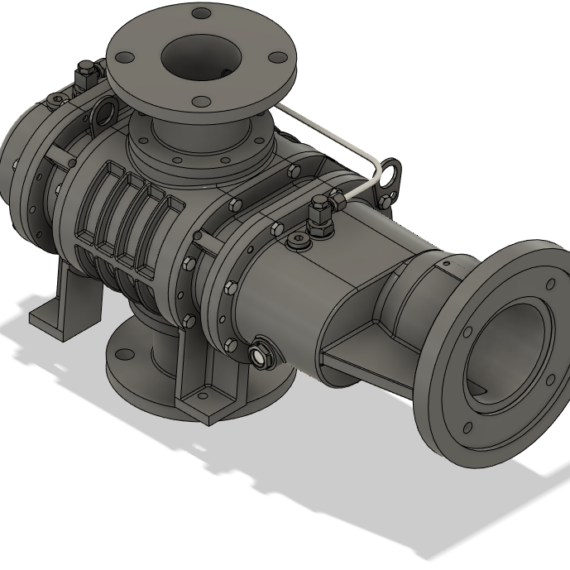
Wind tunnel testing benefits significantly from vacuum boosters when evacuating large test sections at fast turnaround times. The NB Series boosts pumping speed and achievable vacuum level while reducing required power, with the five-point bearing design and double oil tank for structural stability through high-cycle testing operations.