
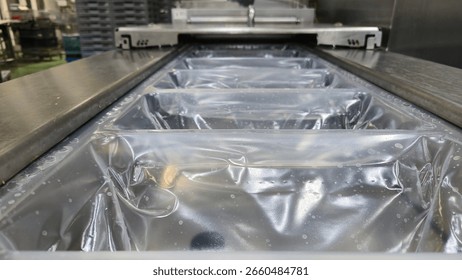
Vacuum Forming and Thermoforming
The heating and shaping of malleable building materials such as plastics using a mold.
After plastic pellets are polymerized, they are shaped according to the desired end product, dependent on the industry and application that it is to serve downstream. Often, plastic is extruded into thin sheets that are pressed onto molds to create car door liners, dental aligners, boat hulls, utensils, garden equipment, bathtubs, and more. One way to firmly hold the sheet onto the mold is through vacuum.
The plastic sheet is heated and held over the mold, which is mounted on a perforated table. Vacuum is pulled through the perforations, and the plastic sheet is lowered onto the mold. The vacuum continuously pulls any air in between the sheet and the mold. With the decrease in air pockets, the finished product is closer in form to the original mold, yielding higher quality products with less defects.
View our Products
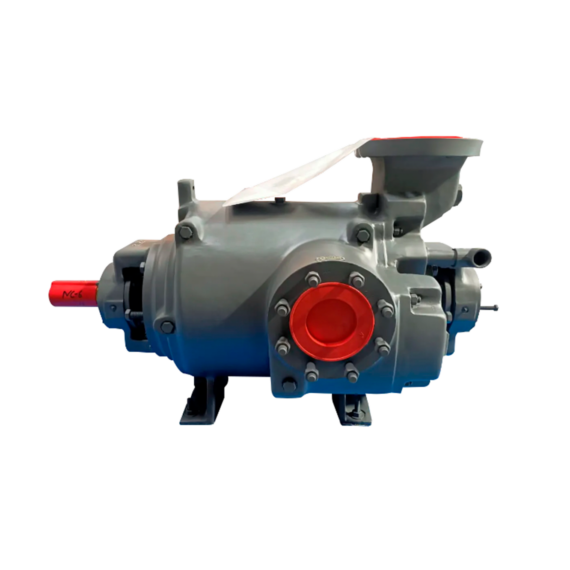
Vacuum forming requires only a steady, forceful suction. An interruption in the suction will fill the plastic with air and cause detriment to the quality of the end product. Liquid ring vacuum pumps are built for a wide range of applications without complication because they consist of few moving parts, making them extremely versatile. They operate uninterrupted with exceptional tolerance to liquid carryover and solid particulates with insignificant effect on performance. The NC Series single stage conical lobe liquid ring vacuum pumps span small to medium-capacity and are known as robust, rough vacuum units that last years, if not decades.
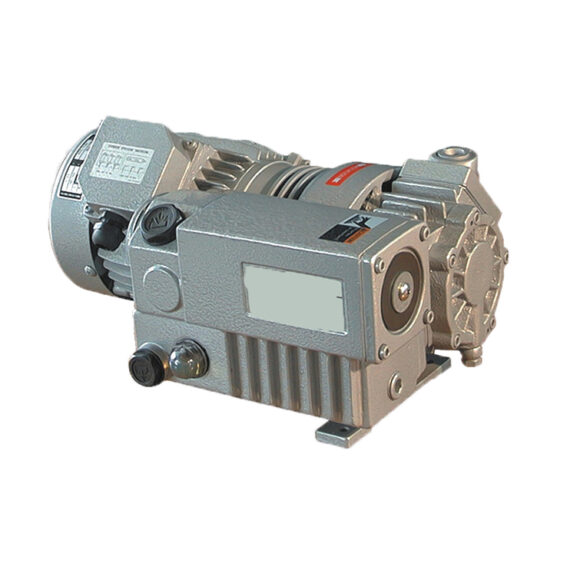
For batch processes, the rotary vane vacuum pump is a better option. These are of the most inexpensive forms of vacuum technology in the modern market. With consistent medium vacuum at small capacity, these space-saving compact units are simple to maintain and repair. The NRV Series single stage oil-circulated rotary vane vacuum pumps are sturdy, quiet, stable, and reliable.
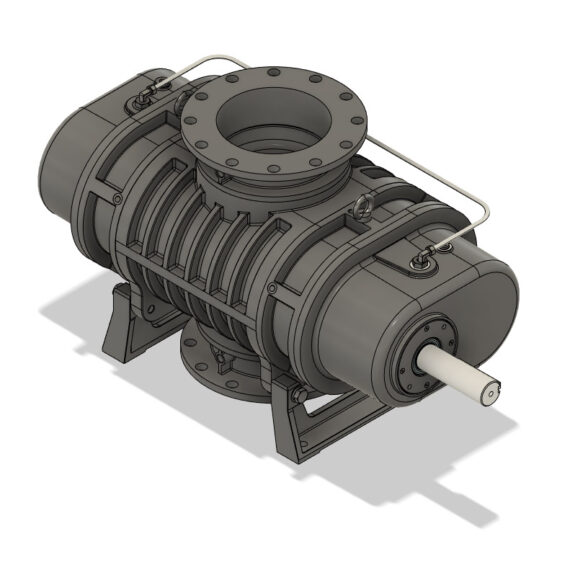
Roots-type blowers are used for accelerated mold surface cooling and quick early evacuation. They are known for their reliability, wide capacity range, versatility, durability, and vacuum boosting effects. Due to their inherent compressive effect, they can generate vacuum as a standalone unit or increase efficiency by boosting capacity and vacuum level in tandem with another vacuum unit in the system. The NRB Series dual lobe Roots-type blowers are capable of up to 17” HgV from 20 to 9,280 CFM and 18 psig.